Brand activation event photography in NYC: behind the camera at sponsor-driven events
A NYC event photographer's notes on shooting brand activations and sponsor experiences. What's different from a gala, what marketing teams actually need, and how to get content that runs for months.
- events
- brand-activation
- corporate
- process
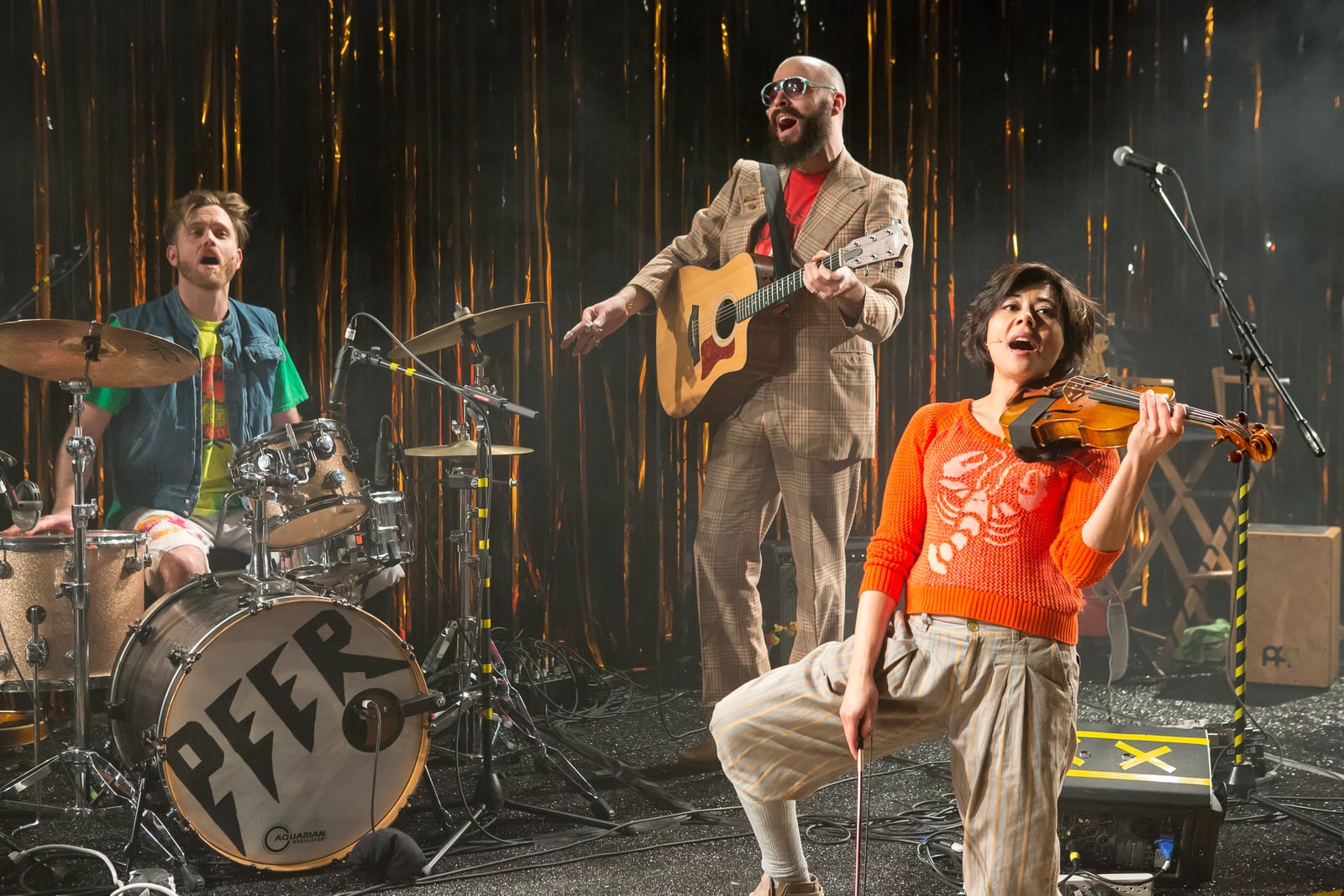
A brand activation is not a gala. The room reads similar : branded signage, attentive staff, food, a stage : but the photographer’s job is different in three ways that matter.
If you are planning a brand activation, sponsor experience, or product launch in New York, here is what changes when the photo is the deliverable.
1. The marketing team has a campaign waiting
At a gala, the photo is for the next email blast and the donor wall. At a brand activation, the photo is the campaign. The marketing team already has a calendar built around what these images need to do for them : paid social, organic LinkedIn, internal sales enablement, a press release the next morning, a six-week drip about the event.
That changes what I am looking for. Hero shots that work cropped square for Instagram and 16:9 for YouTube. Detail shots of the brand environment. People interacting with the product, not just standing near it. Wide rooms that can carry copy in the negative space without crowding the subject.
I get the campaign brief before the event. If the campaign needs a wide of the brand wall with three identifiable executives standing under the logo, that is a planned frame, not a candid hope.
2. The sponsor relationship has its own rules
Brand activations almost always have sponsors. Sometimes the sponsor is the host; sometimes the host has co-sponsors; sometimes it is a sponsorship-of-a-sponsorship (a brand sponsoring a section of someone else’s larger event).
That stack matters because every sponsor wants their logo in frame, their representative photographed talking to the right people, and their experience documented in a way that supports their internal reporting. A photographer who treats the sponsor like the host’s afterthought is going to deliver a deck that the sponsor cannot use.
Before the night I want a tier list: who’s primary, who’s co-sponsoring, who needs to be in frame at least once. Not buried in fine print. Sent the day before, three sentences.
3. The content has to work without the event context
A gala photo can land on a page that says “our 2026 gala raised $4 million” and the photo’s job is to support that headline. A brand activation photo lands in a feed where the viewer never knew an event happened. The image has to be self-contained.
Faces lit. Brand environment legible. The moment readable. If I have to add a caption to make a brand activation photo make sense, the photo failed. The frame should look like it could be the campaign hero on its own, with no event context at all.
That is a different shoot than a gala : slower at moments, more deliberate about backgrounds, more selective about which 20 frames out of 600 actually go in the deliverable.
What good prep looks like
Before a brand activation, I want from the marketing team:
- The campaign brief or a one-page summary of what the photos need to do
- The sponsor tier list (or the simple “here are the two people from each sponsor we need a portrait of”)
- A run-of-show with the activation moments marked (product reveal, demo window, executive Q&A, sponsored cocktail hour) so the photographer is in the right place at the right time
- The aspect ratio mix the team needs (square + landscape + vertical reels)
- The deliverable date for the first batch (typically 24 hours for social-ready selects)
That’s about 30 minutes of work for the marketing lead, and it is the difference between content that works and content that gets shot, edited, and quietly never used.
Where this slots in if you are working with me
For corporate brand activations, sponsor events, and product launches, the work usually goes through Plumwheel, my AI-native marketing studio. Plumwheel handles the full event end to end: photography, on-camera executive interviews, and a multi-format content campaign your team can use for months. Same person on camera, full team behind it.
For one-off photography commissions on cultural or editorial work, book me direct. The body of work spans the same NYC venues, theater institutions, and event types that show up in the corporate event portfolio, with theater and editorial credits in The New York Times, Time Out New York, Backstage, and Playbill.
What you do not need to plan
You do not need to art-direct the shoot. The marketing team should not be standing next to the photographer telling them where to point the camera. If I am the photographer, I have already read the brief and I will work the room around it. Good photographers know what the campaign needs after they have seen the brief; they do not need a second director on the floor.
You also do not need to plan candid moments. Candid only works when the subject forgets the camera. Plan the planned shots, leave the candid shots to happen.
The frame to remember
The strongest brand activation images are people doing what the brand wants them to be seen doing : using the product, listening to the keynote, posing with the activation in a way that looks accidental : photographed cleanly enough that the brand could run them as a paid ad on day one.
Everything else is a footnote.
For more on what changes between corporate and cultural event photography, see hiring an event photographer vs. a friend with a camera and photographing a gala: five things to lock in before the night.