Photographing a gala: five things to lock in before the night
A NYC event photographer's checklist for nonprofit galas and fundraisers. Run-of-show, shot list, donor coverage, room logistics.
- events
- galas
- process
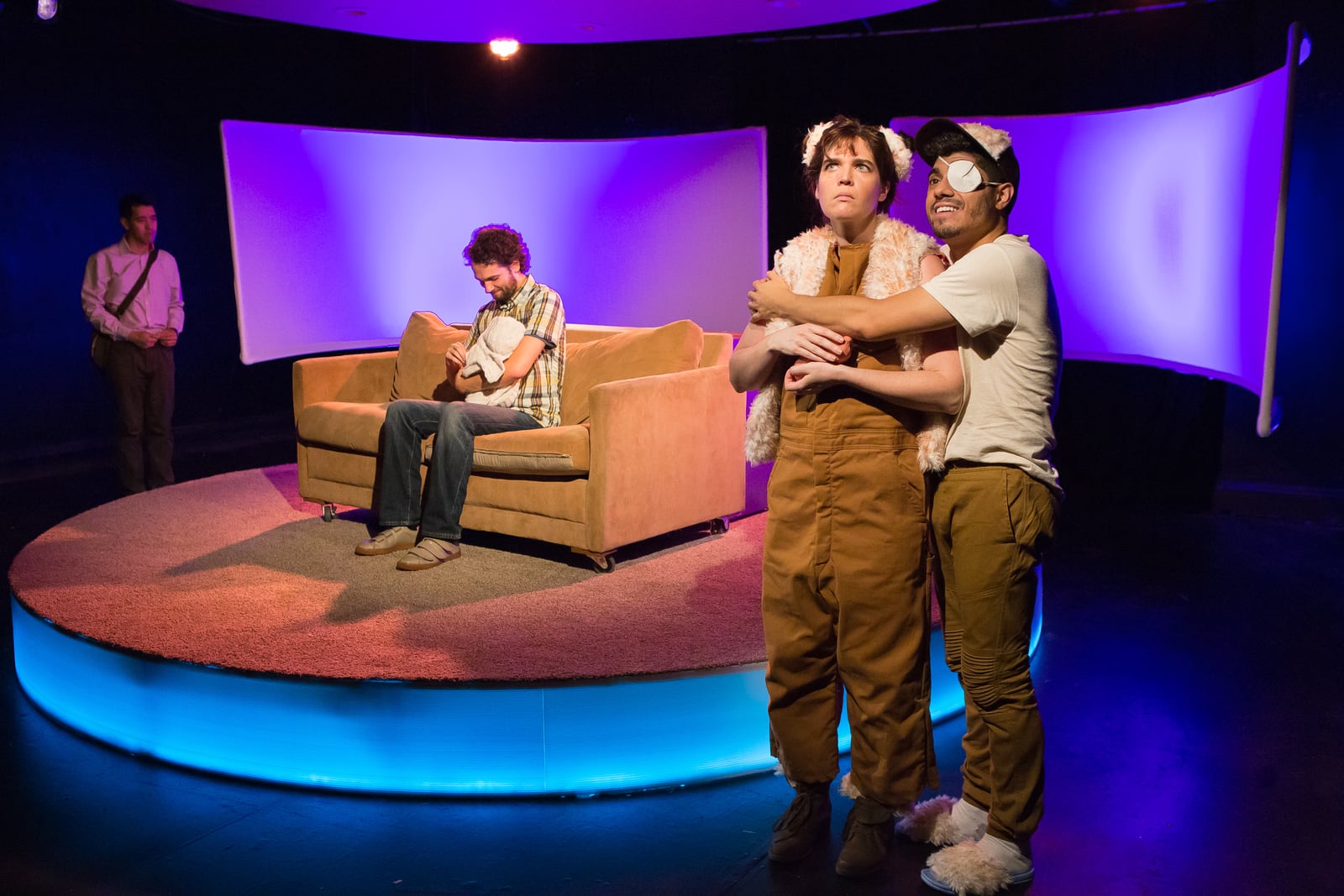
Galas are easier to photograph well than people think. The hard part happens before anyone shows up.
If you are planning a fundraiser or nonprofit gala in NYC and you want photos that earn their place in next year’s deck, lock these five things down before the night.
1. The hit list
Send the photographer (me, or whoever you book) a list of who must be in frame. Board chair, executive director, honorees, top donors, guest speakers. Two columns: name + a recent photo so I can recognize them in a dim ballroom.
A 15-name hit list works for an event of any size. More than 30 names and the list is doing more harm than good; the photographer cannot effectively work both the room and a binder.
For each name, ideally: when on the schedule they should be photographed, who they should be photographed with. Real example from a job last year: “Sarah, board chair, with the honoree at the start of cocktail hour, before 7:15.” That sentence saved me 90 minutes of guesswork.
2. The shot list (short)
A separate document from the hit list. Five to seven shots, max:
- The room before guests arrive (table settings, tablescape, signage)
- Cocktail hour wide
- Honoree speech / podium
- Board chair toast
- The wide of the room mid-program (full energy)
- Optional: dance floor / band / after-program candids
Anything beyond seven shots is a wish list, not a shot list. If the photographer is chasing 25 specific frames, they are not shooting your event; they are running an errand.
3. The room walk-through
If the venue is new to me, I want 10 minutes in the empty room before guests arrive. Three things I am looking at:
Lighting. Where is the warm tungsten, where is the cold white, where will I be fighting both at once. This shapes how I balance white-balance during the shoot.
Sight lines. Where is the photographer-friendly position for the speaker shots. Where will the band setup block half the room. Where can I shoot from without crossing in front of a videographer’s lens.
Power. If I am running a tethered laptop for any portrait pulls, where does the cord go.
10 minutes here saves an hour of awkward.
4. A point person who is not the host
The host is busy. Their job is the event, not me. Assign a point person (an event coordinator, a junior dev associate, somebody on staff) who is the photographer’s contact for the night. Their job: tell me when the program is shifting, point out the people I haven’t gotten yet, gently steer donors toward a deliberate portrait when there is a window.
A good point person is the difference between coverage that hits the marks and coverage that gets close. They are worth more than another vendor.
5. The deliverable expectation
Decide before the night what you actually need:
- A press selection within 12 hours? (Add a small premium; reasonable to ask for major events.)
- A first look on Monday morning?
- Full edit by end of the week?
- Print-ready files for the donor mailing?
Tell me which of those matters. I shoot differently for a press-first deliverable than for a slow-burn donor deck. Both work. Mixing them up does not.
What you do not need to plan
Don’t plan poses. Don’t plan group lineups for every donor at the table. Don’t ask the photographer to organize a 40-person staff photo at 11 PM unless you genuinely want a 40-person staff photo at 11 PM.
The strongest gala images are people doing what they came to do, photographed cleanly.
If you want me on it
Most of my event work in NYC is exactly this kind of room: panels, galas, opening nights, fundraisers. Reach out with the date, the venue, and a sense of guest count. The FAQ covers pricing and turnaround.
For more on event photography vs. cheaper alternatives, see hiring an event photographer vs. a friend with a camera.