Why I still shoot polaroid portraits in 2026
Notes on instant film as a creative practice in NYC. Why analog still beats another perfect digital frame for certain commissions.
- analog
- polaroid
- process
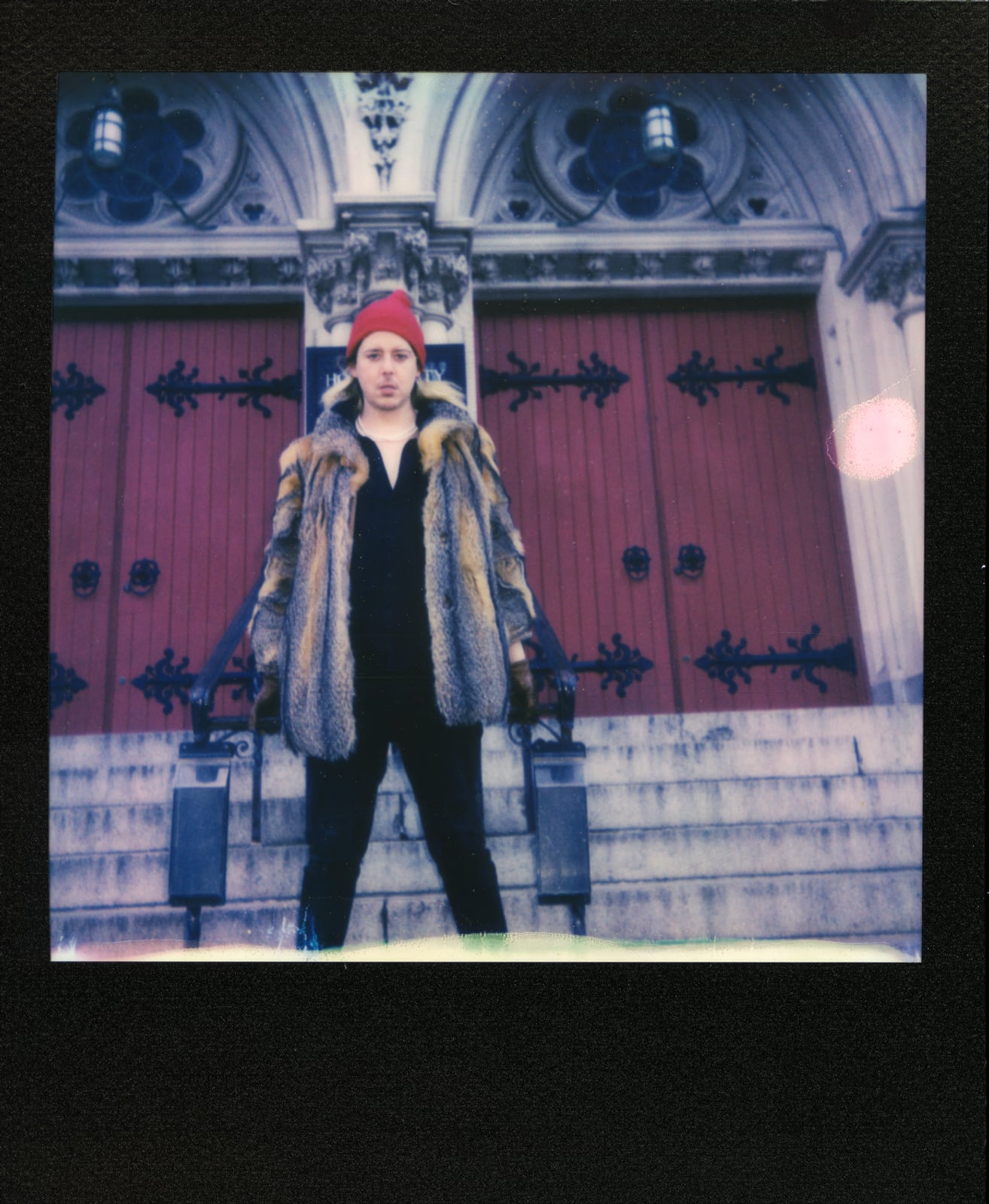
I shot most of my 2025 work as a NYC photographer on a Sony A7-series body. Sharp, fast, color-accurate, every frame backed up to two drives by the time I get home. So why did I also shoot maybe 200 polaroid portraits?
Because some projects ask for it.
What polaroid does that digital does not
A polaroid takes 15 seconds to develop. You watch it appear in your hand. The subject watches it appear in their hand. Nobody is staring at the back of a camera waiting for the next frame. The pace of the session changes. The conversation changes. The frames change.
I have shot whole sessions where the digital coverage was technically perfect and the polaroids were the keepers. Not because the polaroids were sharper (they aren’t) or higher resolution (definitely aren’t) but because the attention was different. You can feel it in the picture.
There is also the artifact. Digital files are abundant and weightless. A polaroid is a single physical thing. The subject keeps it, frames it, gives it away. That is a different relationship to a portrait than a Dropbox link.
When I recommend it
Brand portraits where the brand has texture. A scrappy creative agency, an indie band, a restaurant with a strong identity. Digital headshots feel right at a corporate firm. Polaroid feels right at an indie studio.
Album art and tour posters. The aesthetic of analog on a music project is its own argument. Most musicians who reach out about polaroids already know exactly what they want.
Personal commissions. A 35-minute session that ends with five framed polaroids on the table beats most “headshot” sessions for a non-corporate use case.
As a closing pass on a longer digital session. We shoot the full editorial brief on digital. Then we close with 4 to 6 polaroids the subject keeps. The polaroids do not have to be the deliverable. They just have to exist.
When it is the wrong call
LinkedIn and corporate teams. No. Digital, every time.
High-volume work. A 12-person team in 90 minutes is not the place. Polaroid is slow on purpose.
When a client wants a “polaroid look” but in a digital file. That is a Lightroom preset, not a polaroid session. Different thing entirely. I will tell you that before we book.
What I shoot on
I rotate between a few cameras. The current favorite is a Polaroid SX-70 (a 1972 design, still works) loaded with current-production SX-70 film. I also shoot Instax Wide for color work and Fuji FP-100C peel-apart when I can find old stock.
Cameras are stupidly cheap on the used market. The film is the expensive part. I plan a polaroid session knowing the film budget is meaningful and I am pricing for it.
Practical notes if you book one
We will go slow. Plan on 60 minutes for a session that produces 6 to 10 keepers. Bring outfits you would bring to any portrait session (wardrobe notes here). Eat lunch first; analog cameras need patience and patience needs blood sugar.
The deliverable is the physical polaroids. I scan each one at high resolution and send digital copies for use; the originals stay with you. The originals are the point.
If this sounds like something for a project you are planning, drop me a line. The analog gallery shows the recent work.